
 AI-generated
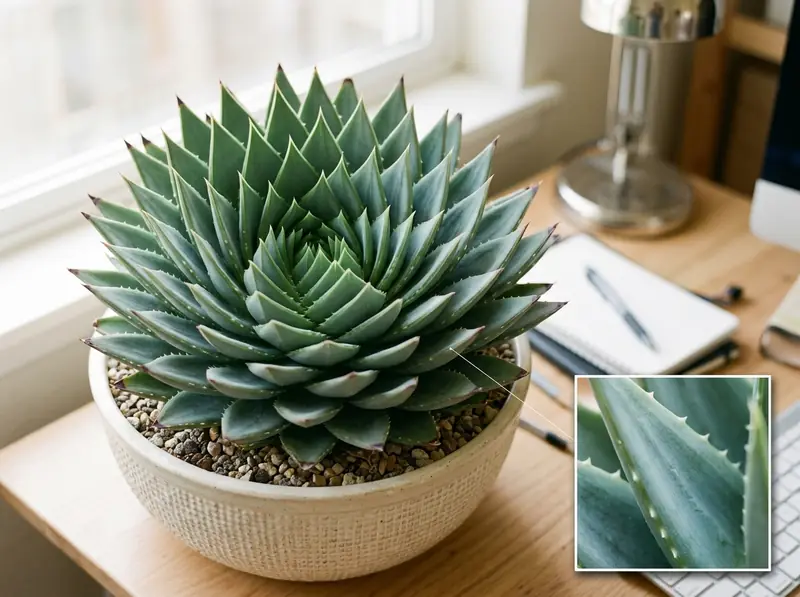
Spiral Aloe
Aloe polyphylla
Spiral aloe is a sculptural succulent from the mountains of Lesotho. Its leaves grow in a perfect spiral rosette. It is a challenging houseplant, as it needs strong sun, very sharp drainage, dry air and a cool, dry winter rest. Grow it in a bright window with careful watering and it will reward you slowly.
Saving is free with a KinClub account, and it works here and in the KinClub app. Sign up free
Care profile
- Light
- Direct sunLow → direct sun
- Water
- Let it dry outAbout every 14 days
- Difficulty
- ChallengingTricky → easy
- Coldest it tolerates
- 30°F
- Humidity
- Low
- Mature size
- Small to mediumSmall → tree-size
- Growth rate
- Slow
- How common
- CommonRare → everywhere
- Plant family
- Asphodelaceae
Pets and toxicity
Cats and dogs: not yet checked
Not yet checked against ASPCA — don't assume it's safe for pets.
No toxicity source on record for this plant yet. If a pet eats any houseplant, call your vet or an animal poison helpline.
How to care for Spiral Aloe
Light
Give it several hours of direct sun, ideally from a south or west window, or bright light from a grow light. Increase sun exposure gradually to avoid scorching.
Watering
In spring and summer, water thoroughly only when the soil is completely dry, about every 2 weeks. Water the soil, not the crown, so no water sits between the leaves. In winter, water very little or not at all.
Soil
Use a very gritty, fast-draining mix, such as cactus soil with about 50% extra pumice, perlite or grit. Use a terracotta pot with a drainage hole.
Feeding
Feed lightly, about 2-3 times in the growing season, with a half-strength cactus or low-nitrogen fertilizer. Do not feed in autumn or winter.
Repotting
Repot only every 2-3 years, in spring, when the plant has filled its pot. It dislikes root disturbance, so handle roots gently and let it sit dry for about a week afterward.
Propagation
It is normally grown from seed, which is slow and needs care. Offsets are rare; if a pup appears, it can be removed with roots and planted in gritty mix once the cut has dried.
Common problems
- Crown rot from water sitting in the center: water only at the soil level, and if the center is soft, the plant is often lost, so prevent it.
- Rotting roots in heavy soil: repot into a gritty mix and let it dry out completely before watering.
- Loss of the tight spiral in dim light: move to a sunnier spot or add a grow light.
- Mealybugs or scale between leaf bases: dab with cotton swabs dipped in rubbing alcohol and repeat weekly.
Similar plants
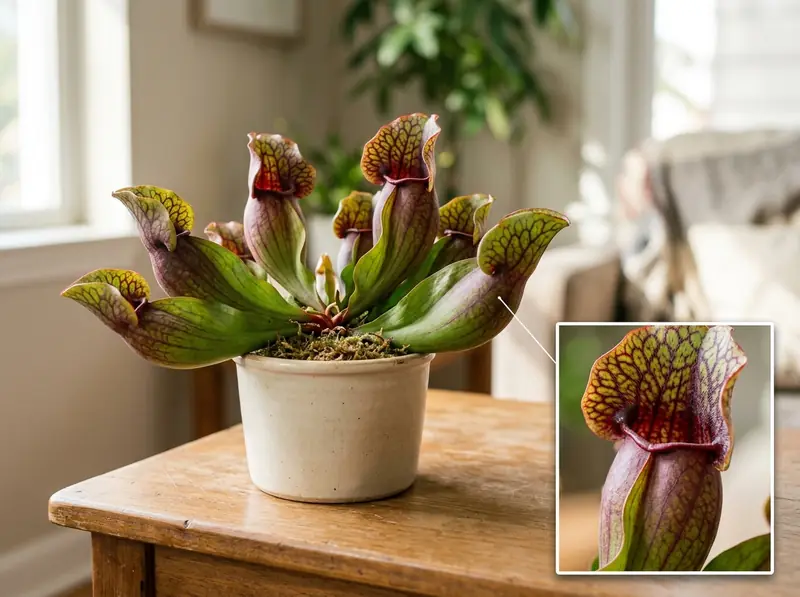
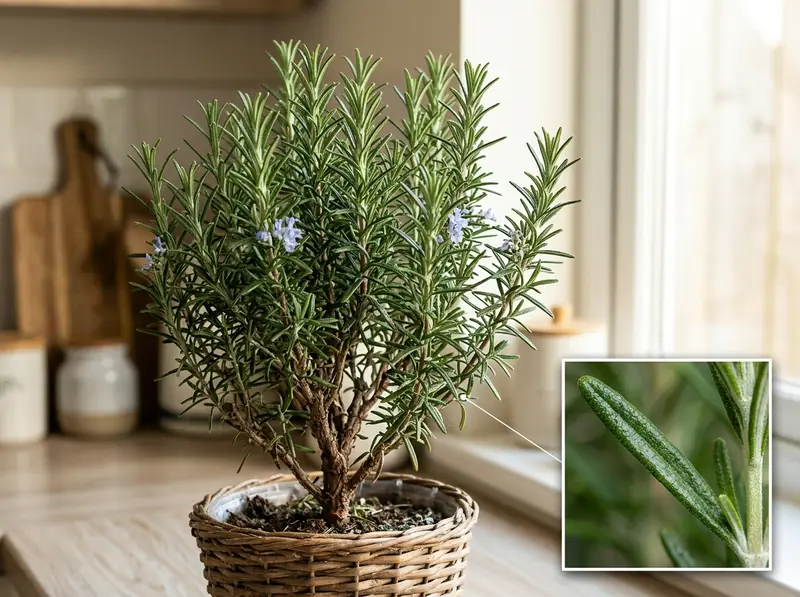
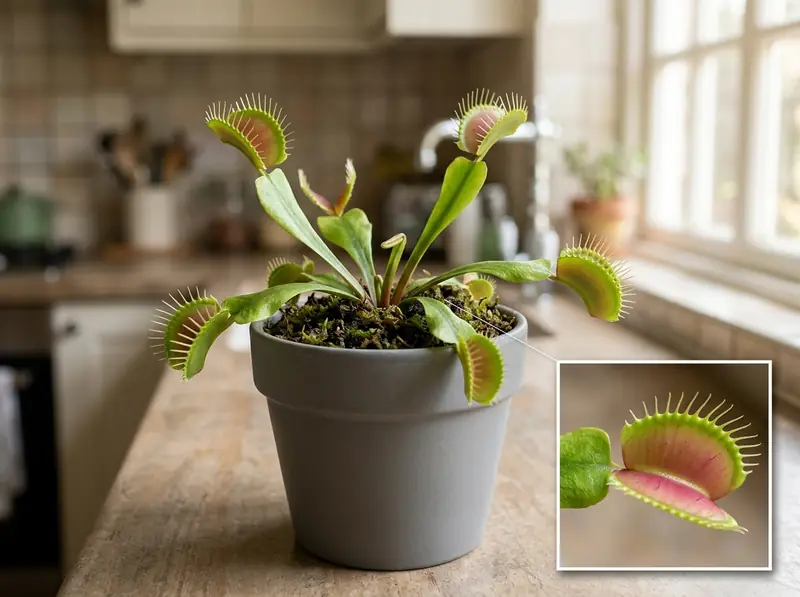
Same light needs and difficulty.
 AI-generated
 AI-generated
 AI-generated
 AI-generated