
 AI-generated
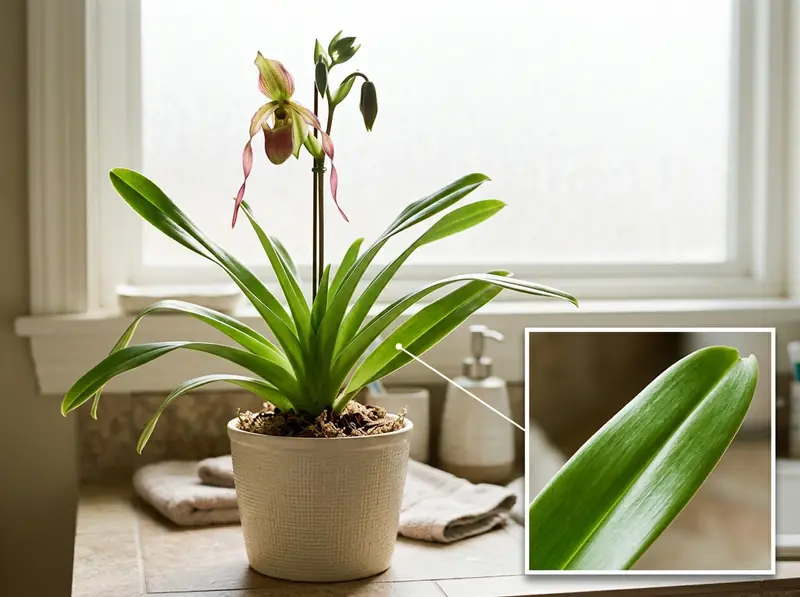
Tropical Lady Slipper
Phragmipedium hybrids
Tropical lady slipper orchids (Phragmipedium hybrids) are compact, pouch-flowered orchids with strappy green fans. Unlike many orchids, they like constantly moist roots, so they suit growers who water steadily and use clean, low-mineral water. They do well in average home temperatures with bright, filtered light and good humidity.
Saving is free with a KinClub account, and it works here and in the KinClub app. Sign up free
Care profile
- Light
- Medium to bright, indirect lightLow → direct sun
- Water
- Keep moistAbout every 5 days
- Difficulty
- ModerateTricky → easy
- Coldest it tolerates
- 55°F
- Humidity
- High
- Mature size
- Small to mediumSmall → tree-size
- Growth rate
- Moderate
- How common
- EnthusiastRare → everywhere
- Plant family
- Orchidaceae
Pets and toxicity
Cats and dogs: not yet checked
Not yet checked against ASPCA — don't assume it's safe for pets.
No toxicity source on record for this plant yet. If a pet eats any houseplant, call your vet or an animal poison helpline.
How to care for Tropical Lady Slipper
Light
Give bright but filtered light, like an east window or a spot a few feet back from a south or west window. Avoid direct midday sun, which scorches the leaves. Leaves should be medium to light green.
Watering
Keep the mix evenly moist at all times, never soggy and never fully dry; this is typically every 4 to 6 days. Use rainwater, distilled or reverse-osmosis water where possible, and flush the pot well each time.
Soil
Use a fine to medium orchid bark mix blended with perlite, sphagnum moss or tree fern fibre so it holds moisture but still drains. A plastic pot helps keep the roots evenly damp.
Feeding
Feed at quarter strength with a balanced orchid fertiliser every second watering during active growth. Flush with plain water monthly to remove salts, and reduce feeding in winter.
Repotting
Repot every 1 to 2 years, as the mix breaks down, usually after flowering or when new growths start. Phragmipediums resent old, sour mix, so refresh it on schedule and keep healthy roots intact.
Propagation
Divide large plants with at least 3 fans per division after flowering, using a clean blade. Growing from seed needs a sterile lab, so division is the only practical home method.
Common problems
- Brown leaf tips: usually mineral build-up or dry mix; switch to low-mineral water and flush the pot regularly.
- Root rot with yellowing fans: mix has gone stale or stays waterlogged; repot into fresh mix and trim dead roots.
- No blooms: usually not enough light; move to a brighter spot with no direct midday sun.
- Cottony white bugs in leaf bases: these are mealybugs; dab them with rubbing alcohol on a cotton swab and repeat weekly.
Similar plants
Same light needs and difficulty.
 AI-generated
 AI-generated
 AI-generated
 AI-generated
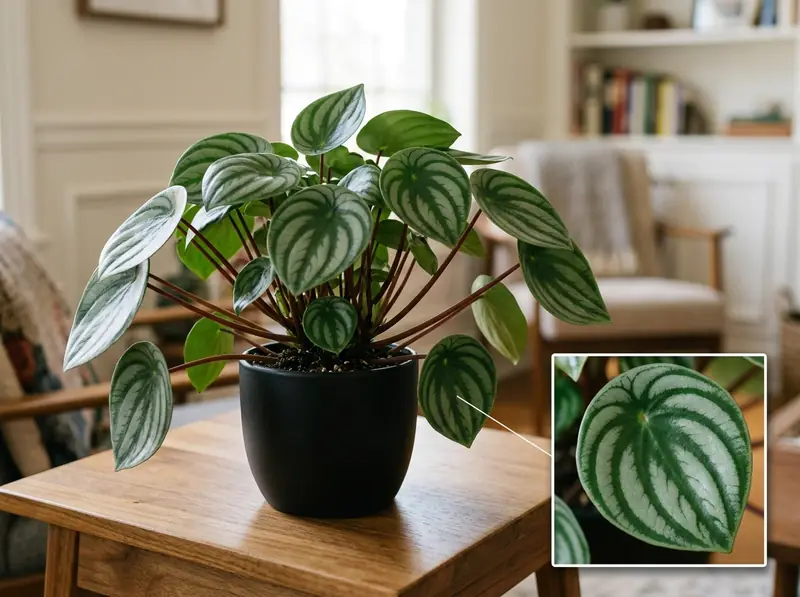
Watermelon Peperomia
Peperomia argyreia
- Medium to bright, indirect light
- Dry to moderate watering
Non-toxic to cats and dogs